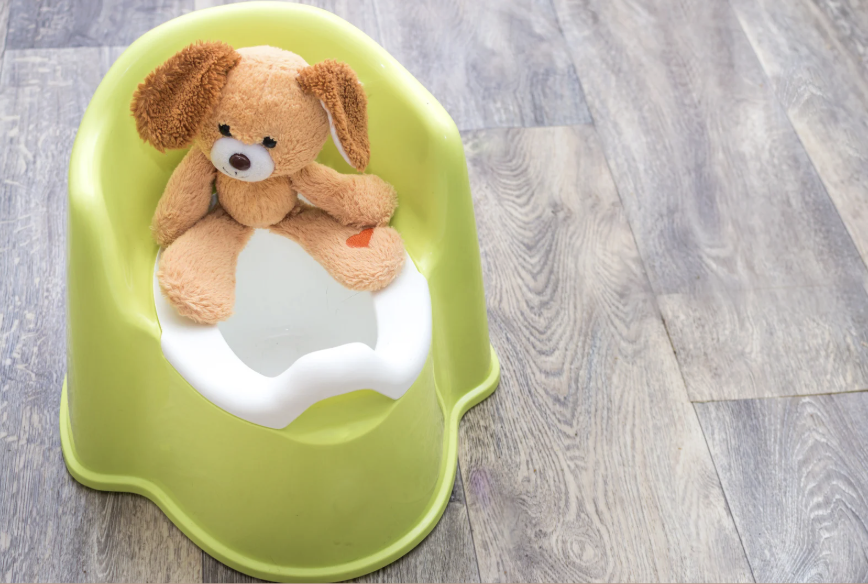
or Take More Time for Autistic Children?
For many parents, potty training already feels overwhelming. Add autism into the mix, and it can sometimes feel confusing, exhausting, and unpredictable.
One day your child seems interested. The next day they refuse to sit on the toilet at all. Maybe they can use the potty at school but not at home. Maybe they stay dry all day and then suddenly start having accidents again.
If this sounds familiar, you are not alone.
One of the biggest misconceptions about potty training autistic children is that parents are “doing it wrong” when progress is slow. In reality, many autistic children face challenges that make potty training more complex — not impossible, just different.
The good news: when parents understand why potty training may feel harder, they can stop guessing and start using strategies that actually work.
Why Potty Training Can Take Longer for Autistic Children
Potty training is not just one skill.
It actually requires many different skills happening together at the same time:
- Recognizing body signals
- Stopping an activity
- Transitioning to the bathroom
- Pulling clothing down
- Sitting and waiting
- Tolerating sensations
- Following routines
- Communicating needs
- Cleaning up afterward
For autistic children, several of these steps may be difficult simultaneously.
1. Interoception Challenges: “I Don’t Feel It Yet”
Many autistic children struggle with interoception, which is the ability to notice internal body signals.
Some children do not recognize:
- “I have to pee”
- “I need to poop”
- “My bladder feels full”
Others may only notice the sensation after they have already started going.
Example From a Client
A 4-year-old client could identify every letter and number but continued having accidents daily. His parents assumed he was refusing to use the potty.
What we discovered was:
- He genuinely did not recognize the body signal early enough.
- By the time he noticed, it was already urgent.
- He needed scheduled potty sits before accidents happened.
Once the family shifted from:
“Tell us when you need to go”
to:
“We’ll help your body learn the timing”
accidents decreased dramatically within a few weeks.
2. Sensory Differences Can Make Bathrooms Feel Overwhelming
Bathrooms are full of sensory experiences:
- Loud flushing
- Bright lights
- Echoing sounds
- Cold toilet seats
- Hand dryers
- Smells
- Feeling toilet paper
- Sitting balance
For some autistic children, these sensations are intensely uncomfortable.
Example From a Client
One little girl screamed every time she entered the bathroom. Her parents thought she was afraid of potty training itself.
After observing closely, we realized the real trigger was the automatic flushing toilet at preschool.
The family practiced:
- Using a quieter bathroom at home
- Covering the sensor temporarily
- Gradually introducing flushing sounds from farther away
- Giving noise-reduction headphones during public bathroom trips
Once sensory stress decreased, potty training became much more successful.
3. Difficulty With Transitions
Many autistic children struggle to stop a preferred activity unexpectedly.
Potty training requires frequent interruption:
- Stop playing
- Leave the iPad
- Pause the video
- Walk to the bathroom
This transition can feel harder than the toileting itself.
What Helps
Instead of:
“Come to the bathroom right now!”
Try:
- Visual countdowns
- First/Then language
- Timers
- Predictable bathroom schedules
Example:
“First potty, then back to blocks.”
This reduces surprise and increases cooperation.
4. Communication Differences
Some children may:
- Not yet speak verbally
- Struggle to ask for help quickly
- Not know how to explain body sensations
This does not mean they cannot potty train.
Communication can look like:
- Handing you a picture card
- Leading you to the bathroom
- Using AAC
- Signing
- Pointing
- Following a routine independently
The goal is not perfect speech.
The goal is successful communication.
5. Anxiety Around Change and New Expectations
Autistic children often thrive on predictability.
Potty training changes:
- Daily routines
- Clothing
- Expectations
- Physical sensations
- Familiar habits
For some children, diapers feel safe and predictable.
Example From a Client
A 5-year-old client would only poop in a diaper while standing in a specific corner of the living room.
Instead of forcing immediate toilet use, we broke the process into smaller steps:
- Poop in diaper in bathroom
- Poop in diaper sitting near toilet
- Poop in diaper sitting on toilet
- Gradually cut hole in diaper
- Transition to toilet
This gradual shaping approach reduced fear and prevented major power struggles.
What Parents Often Misinterpret
Many parents are told:
- “They’re just lazy.”
- “They’re being stubborn.”
- “They’ll do it when they want to.”
But most toileting struggles are not behavioral defiance.
Usually, there is an underlying challenge involving:
- Sensory processing
- Body awareness
- Communication
- Anxiety
- Motor planning
- Routine flexibility
When we identify the real barrier, we can teach the missing skill instead of punishing accidents.
Practical Steps That Actually Help
1. Track Patterns Before Changing Anything
Spend 5–7 days collecting data:
- When accidents happen
- How often they urinate
- Stool timing
- Signs they need to go
- Foods/drinks involved
- Dry intervals
Patterns help you create a realistic potty schedule.
2. Start With Scheduled Sits
Many autistic children succeed faster with:
- Timed potty visits
- Predictable routines
- External structure
Example:
- Every 60–90 minutes
- After meals
- Before leaving the house
- Before bedtime
Consistency matters more than intensity.
3. Use Strong Reinforcement
Potty training often requires motivation that competes with preferred activities.
Effective rewards may include:
- Favorite snacks
- Special toys
- Stickers
- Tablet time
- Praise paired with rewards
The reward should happen immediately after success.
Example:
Pee in potty → immediate reward.
4. Reduce Sensory Stress
Ask yourself:
- Is the seat uncomfortable?
- Are flushing sounds scary?
- Does the child feel unstable sitting?
- Is the bathroom too bright or echoey?
Small sensory changes can make a huge difference.
Helpful tools:
- Toilet seat reducer
- Stool for feet support
- Soft lighting
- Noise-canceling headphones
- Unscented wipes
5. Focus on Progress, Not Perfection
Potty training is rarely linear.
Progress may look like:
- Sitting willingly
- Staying dry longer
- Walking into bathroom independently
- Tolerating flushing
- Asking for help
- Having fewer accidents
These are important milestones — not failures.
When Parents Need More Support
If potty training has felt impossible for months or years, that does not mean your child “can’t” learn.
Sometimes families simply need:
- A more individualized plan
- Better timing
- Sensory supports
- Stronger reinforcement
- Smaller teaching steps
- Medical rule-outs for constipation or GI issues
Many autistic children do become fully potty trained with the right support system.
The process may look different.
The timeline may be different.
But progress is absolutely possible.
Final Thoughts
Potty training autistic children is often less about “compliance” and more about understanding the hidden skills underneath the process.
When parents shift from:
“Why won’t they do it?”
to:
“What skill is making this hard right now?”
everything changes.
Because once you identify the barrier, you can teach the solution step-by-step.
And that’s where real progress begins.
Helpful Resources for Parents
- Autism Speaks Toilet Training Guide
- CDC Autism Information for Families
- AAP HealthyChildren Potty Training Tips
Start With Our Free Potty Training Quiz
If you’re not sure WHY your child is struggling with potty training, our free quiz can help you identify the biggest roadblocks.
The quiz helps parents understand whether their child’s challenges are more related to:
- sensory issues
- body awareness
- withholding
- communication
- routine dependence
- anxiety
- reinforcement problems
Take the quiz here:
You Don’t Need More Random Potty Training Tricks
You need a step-by-step system that actually fits how autistic children learn.
That’s exactly why we created our potty training course.
Inside, we walk parents through:
- how to reduce accidents
- how to stop prompt dependence
- how to build body awareness
- how to handle withholding
- how to create successful potty routines
- how to use reinforcement correctly
- and how to potty train without constant overwhelm
Grab our step-by-step potty training course in our bio.
Because parents don’t just need validation.
They need to know exactly what to do next.
Leave a Reply