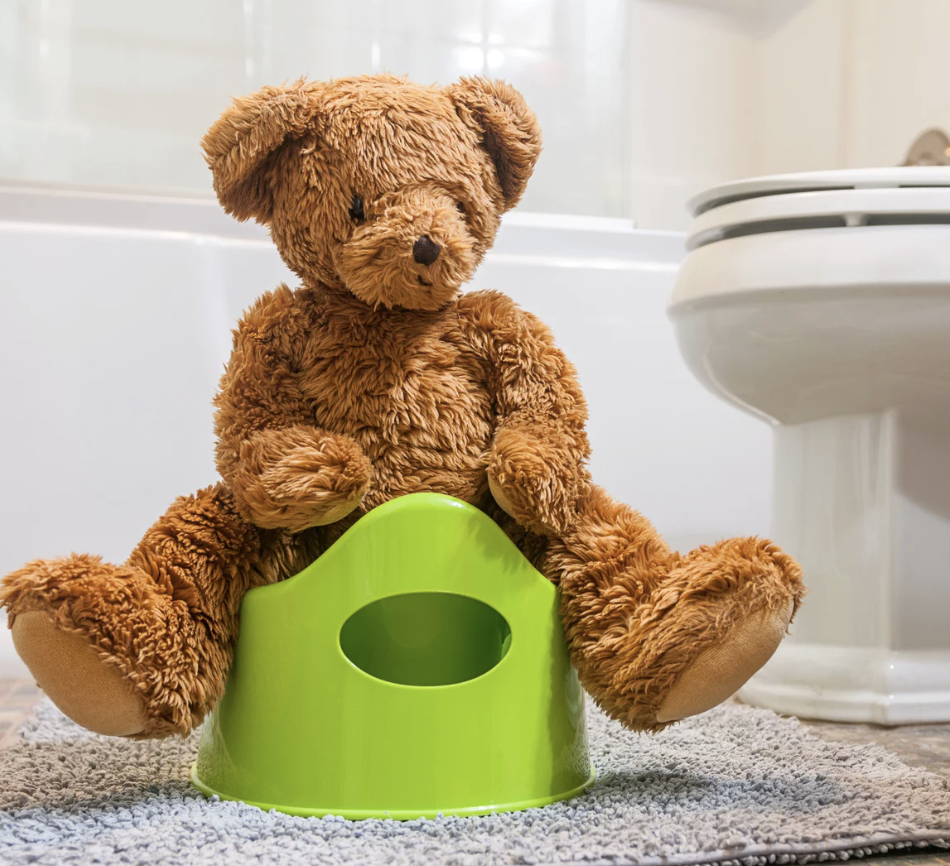
Potty training can feel exhausting for any parent. But when your child is autistic, it can feel like every “normal” potty training strategy completely falls apart.
Maybe your child refuses to sit on the toilet.
Maybe they only use diapers for bowel movements.
Maybe transitions trigger meltdowns.
Or maybe you’ve tried rewards, sticker charts, timers, and endless reminders — and nothing seems to work.
First, take a deep breath: you are not failing, and your child is not being “difficult.” Autism potty training often requires a different approach — one that considers communication differences, sensory needs, anxiety, transitions, and developmental readiness.
This guide will walk you through practical autism potty training tips that are realistic, step-by-step, and designed specifically for autistic children.
Why Potty Training Can Be Different for Autistic Children
One of the biggest mistakes parents hear is:
“They’ll potty train just like any other child.”
In reality, autistic children may face additional challenges that affect toileting success.
These can include:
- sensory sensitivities
- communication delays
- anxiety around routines
- difficulty recognizing body signals
- resistance to transitions
- fear of the bathroom environment
For example, some children are overwhelmed by:
- the sound of flushing
- bright bathroom lighting
- cold toilet seats
- unstable sitting positions
- hand dryers or echoing sounds
Others may struggle with understanding:
- when they need to go
- how to communicate it
- what the sequence of toileting actually is
Our Personal Experience
One thing we see often with families is parents becoming understandably frustrated because it feels like their child is being stubborn or refusing to cooperate on purpose.
We’ve worked with parents who felt completely exhausted after weeks or months of potty training struggles. They were constantly reminding, prompting, negotiating, and cleaning up accidents — and eventually started feeling like their child “just didn’t want to do it.”
But once we slowed things down and looked more closely, the situation usually looked very different.
In many cases, the child was not being stubborn at all.
They were missing important skills:
- understanding body signals
- tolerating the bathroom environment
- transitioning away from preferred activities
- communicating bathroom needs
- understanding the routine itself
Sometimes the child was anxious.
Sometimes the bathroom felt sensory overwhelming.
Sometimes they simply did not understand what was expected yet.
When parents begin seeing potty training through a “missing skills” lens instead of a “bad behavior” lens, everything starts to shift.
The emotional dynamic changes.
There is less frustration, less pressure, and less power struggle.
Then we can focus on what actually helps:
- teaching small steps gradually
- creating predictable routines
- using visuals
- practicing consistently
- reinforcing successes immediately
And something we’ve seen repeatedly is that once those foundational skills are taught clearly and consistently, many children begin making progress much faster than parents expected.
Not overnight.
Not perfectly.
But steadily.
One parent told us:
“I finally stopped feeling angry and started realizing my child truly didn’t fully understand the process yet. Once we changed our approach, things became so much calmer.”
That shift in perspective is often one of the most important parts of the entire potty training journey.
Signs Your Autistic Child May Be Ready for Potty Training
Readiness may look different for autistic children, so try not to compare your child to neurotypical timelines.
Some signs of readiness include:
- staying dry for longer periods
- noticing when diapers are wet or dirty
- hiding during bowel movements
- showing interest in the bathroom
- tolerating bathroom routines
- following simple routines with support
One important note:
A child does NOT need perfect communication skills before starting potty training.
Many autistic children can learn toileting routines using:
- visuals
- routines
- modeling
- consistency
Step 1: Start With Bathroom Comfort First
Before expecting your child to successfully use the toilet, focus on helping them feel safe and regulated in the bathroom.
This step is often skipped, but it matters enormously.
Try evaluating:
- lighting
- sounds
- smells
- toilet stability
- clothing discomfort
- temperature
Helpful supports may include:
- a foot stool
- soft lighting
- a padded toilet seat
- noise-reduction headphones
- visual schedules
Our Client’s Experience
We once worked with a family whose child became extremely distressed every time toileting was attempted. The parents felt confused because their child would successfully sit on the toilet, follow the routine, and even tolerate hand washing — but the moment flushing happened, everything escalated.
There was screaming, covering ears, running out of the bathroom, and eventually complete refusal to enter the bathroom at all.
At first, the parents assumed the child was simply avoiding potty training.
But after observing more closely, it became clear that the flushing sound itself was the problem.
The toilet flush was causing significant sensory distress.
Instead of continuing to force the full routine, we adjusted the expectation to better support the child’s sensory needs.
Initially, the child was allowed to leave the bathroom before flushing occurred.
That one small change immediately reduced anxiety.
Suddenly, the bathroom no longer felt unpredictable or overwhelming.
Once the pressure decreased, the child became much more willing to:
- enter the bathroom
- sit on the toilet
- follow the routine
- participate calmly
Over time, the family gradually built tolerance around flushing in very small steps:
- hearing the flush from farther away
- warning before flushing
- covering ears
- flushing after leaving the room
- eventually tolerating the sound briefly nearby
What made the biggest difference was not “being stricter.”
It was recognizing that the behavior was connected to a sensory challenge, not defiance.
When parents begin identifying and accommodating sensory barriers appropriately, many toileting struggles become much more manageable and far less emotionally exhausting for everyone involved.
Step 2: Build Bathroom Tolerance Gradually
One common mistake is forcing children to sit on the toilet for long periods.
This often increases anxiety and resistance.
Instead, build tolerance in small steps.
For example:
Step-by-step shaping approach:
- Walk into bathroom
- Stand near toilet
- Sit clothed
- Sit briefly without diaper
- Sit for increasing amounts of time
- Practice flushing separately if needed
Small wins matter.
The goal is not perfection overnight.
The goal is reducing fear and building predictability.
Step 3: Create a Predictable Potty Routine
Autistic children often respond best to routines that feel consistent and structured.
Instead of constantly asking:
“Do you need to go potty?”
Use predictable potty times such as:
- after meals
- before bath
- before leaving the house
- before preferred activities
- after waking up
Visual schedules can help tremendously here.
Example:
Potty → Wash Hands → Snack
You can also use “first/then” language:
“First potty, then iPad.”
This makes expectations clearer and reduces negotiation.
For more transition support ideas, you may also like:
[Internal Link: Autism Transition Strategies]
Step 4: Use Clear and Simple Language
Many autistic children process language differently, especially during stressful moments.
Instead of repeated questions like:
“Do you need to potty?”
“Are you sure?”
“Can you try?”
Use simple, direct language:
- “Time for potty.”
- “Potty first, then outside.”
- “Sit for one minute.”
This reduces language overload and creates consistency.
Parent Scripts
During resistance:
“I know this feels hard. Potty first, then snack.”
During anxiety:
“You’re safe. Sit for one minute, then all done.”
After accidents:
“Accidents happen. Let’s clean up and try again.”
Step 5: Reinforce Success Immediately
Reinforcement can absolutely help, but rewards alone are usually not enough.
The best reinforcement is:
- immediate
- motivating
- specific
Instead of:
“Good job!”
Try:
“You peed in the potty!”
“You listened to your body!”
“You sat calmly!”
Some children respond well to:
- favorite snacks
- bubbles
- screen time
- songs
- praise
- sensory toys
But remember:
If the bathroom itself feels overwhelming, rewards will not fully solve the problem.
Common Autism Potty Training Mistakes
Expecting Fast Progress
Autism potty training is often slower and less linear.
Progress may look like:
- tolerating the bathroom
- sitting calmly
- reducing anxiety
- fewer accidents
- gradual independence
Those are meaningful wins.
Overusing Rewards Without Addressing Sensory Needs
Sticker charts alone will not fix:
- fear
- sensory overload
- communication barriers
- transition difficulties
Sensory regulation matters just as much as motivation.
Punishing Accidents
Punishment often increases:
- shame
- anxiety
- withholding
- avoidance behaviors
Accidents are information, not bad behavior.
Troubleshooting Common Potty Training Challenges
“My Child Refuses to Sit on the Toilet”
Go smaller.
Start with:
- entering bathroom comfortably
- sitting clothed
- pairing bathroom with preferred activities
Avoid turning toileting into a power struggle.
“My Child Only Poops in a Diaper”
This is extremely common.
Many children develop strong routines and sensory associations around bowel movements.
Gradual shaping strategies often work better than abrupt removal of diapers.
Our Client Experience
We worked with one child who would successfully poop on the toilet but absolutely refused to pee in it.
The parents felt completely confused because they assumed:
“If he can poop on the toilet, he clearly understands how to use it.”
But toileting skills are often more specific and individualized than they appear.
After observing more closely, we realized the child had developed a very strong routine around urinating in a diaper and standing in a particular area of the house. Peeing on the toilet felt unfamiliar and uncomfortable, even though bowel movements on the toilet had become part of his routine.
The family initially interpreted the refusal as stubbornness or control.
But once we reframed the situation as a skill-building and comfort issue instead of defiance, the entire approach changed.
Instead of pressuring or repeatedly correcting him, we focused on:
- building comfort with sitting during urination attempts
- increasing successful practice opportunities
- using strong reinforcement immediately after success
- keeping routines predictable
- reducing pressure and frustration around accidents
At first, progress was slow.
But with consistency, calm responses, and highly motivating reinforcement, the child gradually began urinating on the toilet successfully.
One of the biggest turning points was when the parents realized:
“He’s not refusing because he wants to make things difficult. He genuinely needs help learning this skill in a different way.”
That mindset shift reduced tension significantly and helped create a calmer, more supportive learning environment for everyone involved.
“My Child Has Frequent Accidents”
Look for patterns:
- timing
- transitions
- constipation
- communication breakdowns
- sensory triggers
Tracking accidents can help identify trends.
You may want to create a simple potty log that tracks:
- successful trips
- accidents
- meals
- fluids
- bowel movements
What’s Often Underrated in Autism Potty Training
In our experience, these things are often MORE important than parents realize:
- visual supports
- transition preparation
- sensory comfort
- caregiver consistency
- realistic expectations
- reducing pressure
What’s often overrated?
- forcing long toilet sits
- comparing children to neurotypical timelines
- assuming rewards alone will solve everything
When to Seek Professional Help
Consider reaching out for additional support if:
- toileting causes severe distress
- constipation is present
- aggression increases significantly
- your child is withholding bowel movements
- there has been no progress despite consistent implementation
Helpful professionals may include:
- BCBAs
- occupational therapists
- speech therapists
- pediatricians
- pelvic floor specialists
Final Thoughts
Potty training an autistic child can feel emotionally exhausting, especially when progress is slower than expected.
But slower does not mean impossible.
Many autistic children need:
- more structure
- more visuals
- more sensory support
- more predictability
- more gradual teaching
Not more pressure.
Focus on small wins.
Celebrate progress.
Reduce shame.
Stay consistent.
And remember:
You do not have to figure this out alone.
Related Articles
- Transition Strategies
Free Parent Resources
If you want more practical, step-by-step autism parenting support, explore our free parent guides and resources here:
https://autismparentingsimplified.systeme.io/linkhub
Leave a Reply